
Microbiological Analyses
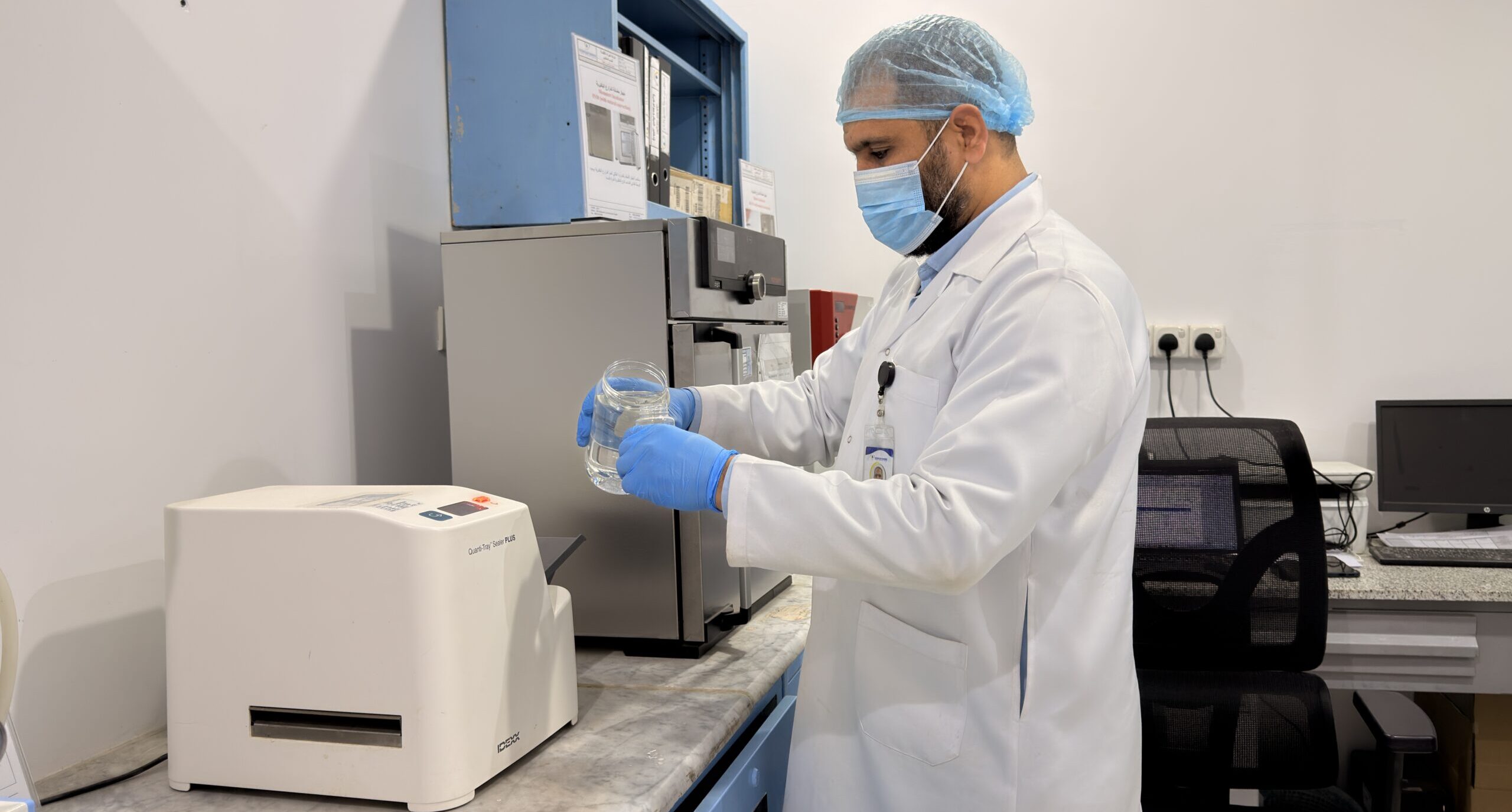
The laboratory employs internationally recognized methodologies, primarily IDEXX defined substrate technology and membrane filtration techniques, to ensure accurate, rapid, and reliable detection of indicator organisms and pathogenic bacteria.
IDEXX Defined Substrate Technology
IDEXX methods utilize enzyme-specific substrates that produce a detectable color change or fluorescence when metabolized by target microorganisms.
Total Coliforms and Escherichia coli are commonly analyzed using IDEXX multi-well tray systems, where total coliforms hydrolyze chromogenic substrates producing a color change, and E. coli cleaves fluorogenic substrates detectable under UV light. Results are statistically quantified using the Most Probable Number (MPN) approach.

IDEXX Defined Substrate Technology
IDEXX methods utilize enzyme-specific substrates that produce a detectable color change or fluorescence when metabolized by target microorganisms.
Total Coliforms and Escherichia coli are commonly analyzed using IDEXX multi-well tray systems, where total coliforms hydrolyze chromogenic substrates producing a color change, and E. coli cleaves fluorogenic substrates detectable under UV light. Results are statistically quantified using the Most Probable Number (MPN) approach.
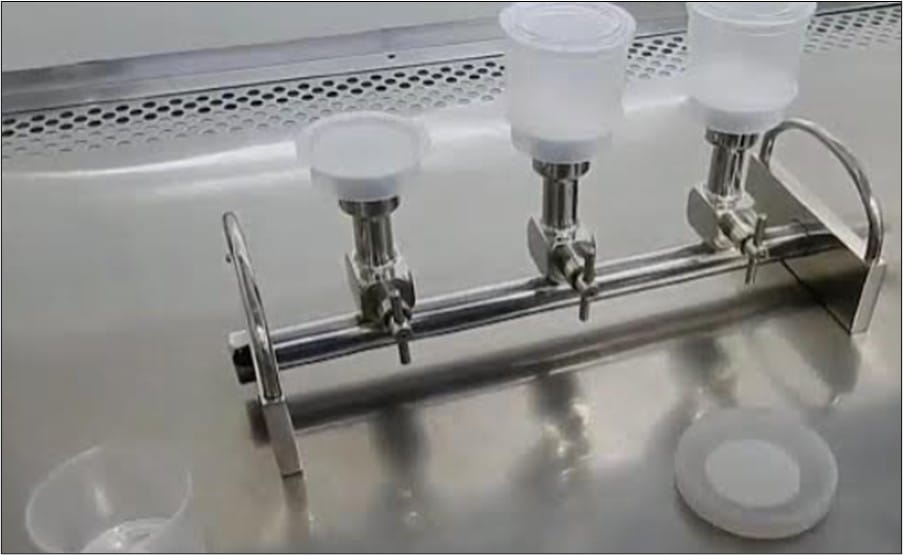
Membrane Filtration Technique
Membrane filtration is a classical, highly standardized microbiological method used for the enumeration of bacteria in water and environmental samples. A known volume of sample is filtered through a sterile membrane with a defined pore size (typically 0.45 µm), which retains microorganisms. The membrane is then placed onto selective and differential culture media and incubated under controlled conditions to allow colony development.
Membrane Filtration Technique
Membrane filtration is a classical, highly standardized microbiological method used for the enumeration of bacteria in water and environmental samples. A known volume of sample is filtered through a sterile membrane with a defined pore size (typically 0.45 µm), which retains microorganisms. The membrane is then placed onto selective and differential culture media and incubated under controlled conditions to allow colony development.
Microbiological Tests
- Total Coliforms Test
Total coliforms are measured using the Enzyme Substrate (IDEXX) method with Colilirt-18 culture medium. The enzyme β-D-galactosidase, produced by the coliforms, breaks down the colored compounds, resulting in a color change.
- Fecal Coliforms Test
Fecal coliforms are measured using the same Enzyme Substrate (IDEXX) method with Colilirt-18 culture medium. Incubation is performed at 44.5°C, and the development of a yellow color indicates a positive result for fecal coliforms.
- Escherichia coli (E. coli) Test
Escherichia coli is among the group of bacteria that can cause infections in the intestines (gastrointestinal tract), urinary tract, and other parts of the body. E. coli is measured using the Enzyme Substrate (IDEXX) method, employing Colilirt-18 culture medium.
- Fecal Streptococcus Bacteria Test
Fecal nodules belong to two genera: Enterococcus and Streptococcus. They are measured using a culture medium (fecal Streptococcus agar) characteristic of these bacteria and incubated at 37°C.
- Heterotrophic Plate Count (HPC) Test
Heterotrophic bacteria are microorganisms (bacteria, molds, and yeasts) that utilize organic carbon sources for growth and can be found in all types of water. The majority of bacteria found in drinking water systems are heterotrophic.
- Pseudomonas Aeruginosa Test
Pseudomonas aeruginosa is a pathogenic, Gram-negative, facultative aerobic-anaerobic, rod-shaped bacterium that can cause disease in humans and plants. It is measured using a pseudolert nutrient medium with MPN methods.
- Enterococcus Test
The enzyme B-D glucosidase degrades the compound 4-methyl-umbelliferyl B-D-glucoside (4-MUG) is used to produce methyumbelliferon, which, when exposed to ultraviolet light, fluoresces, indicating the number of Enterococcus colonies.
- Legionella Test
Legionella is a pathogenic bacterium that causes Legionnaires’ disease, a potentially fatal illness involving pneumonia. It is measured using Legionella nutrient medium with MPN methods.
- Salmonella spp. Test
Salmonella analysis involves membrane filtration or pre-enrichment followed by selective enrichment and plating, allowing for the detection of pathogenic bacteria even at low concentrations.