
Field Measurement and Sampling
Field measurements provide rapid, in-situ information on the physical, chemical, and radiological properties of water and environmental samples, supporting effective decision-making, site characterization, and optimization of laboratory analyses. These measurements are essential in mining exploration, environmental assessments, geotechnical investigations, and radiation safety surveys.
Solid Measurements

Radon-222 gas measurment
Radon-222 gas measurement is conducted in soils, rocks, and building materials to assess natural radioactivity and potential health risks. Radon originates from the decay of uranium-bearing minerals and migrates through fractures and pore spaces.
Radon-222 gas measurment
Radon-222 gas measurement is conducted in soils, rocks, and building materials to assess natural radioactivity and potential health risks. Radon originates from the decay of uranium-bearing minerals and migrates through fractures and pore spaces.
Radiation surveys
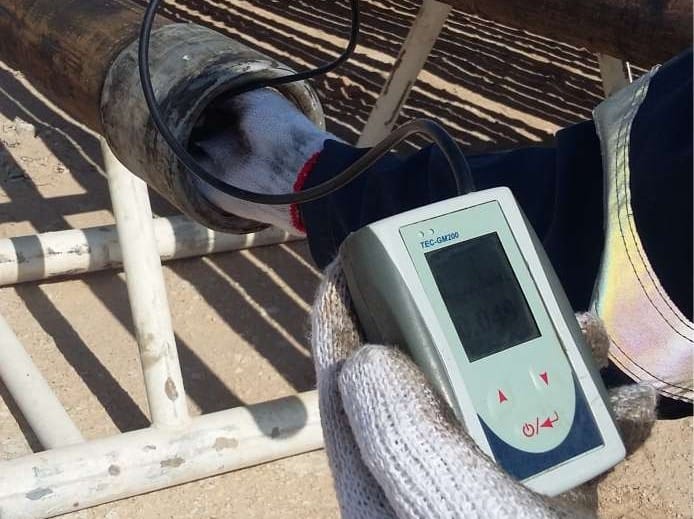
Radiation surveys are performed to measure ambient gamma radiation and surface contamination associated with naturally occurring radioactive materials (NORM) or industrial activities.
Field radiation measurements support environmental monitoring, occupational safety, regulatory compliance, and site clearance assessments.
Radiation surveys
Radiation surveys are performed to measure ambient gamma radiation and surface contamination associated with naturally occurring radioactive materials (NORM) or industrial activities.
Field radiation measurements support environmental monitoring, occupational safety, regulatory compliance, and site clearance assessments.
Soil electrical conductivity
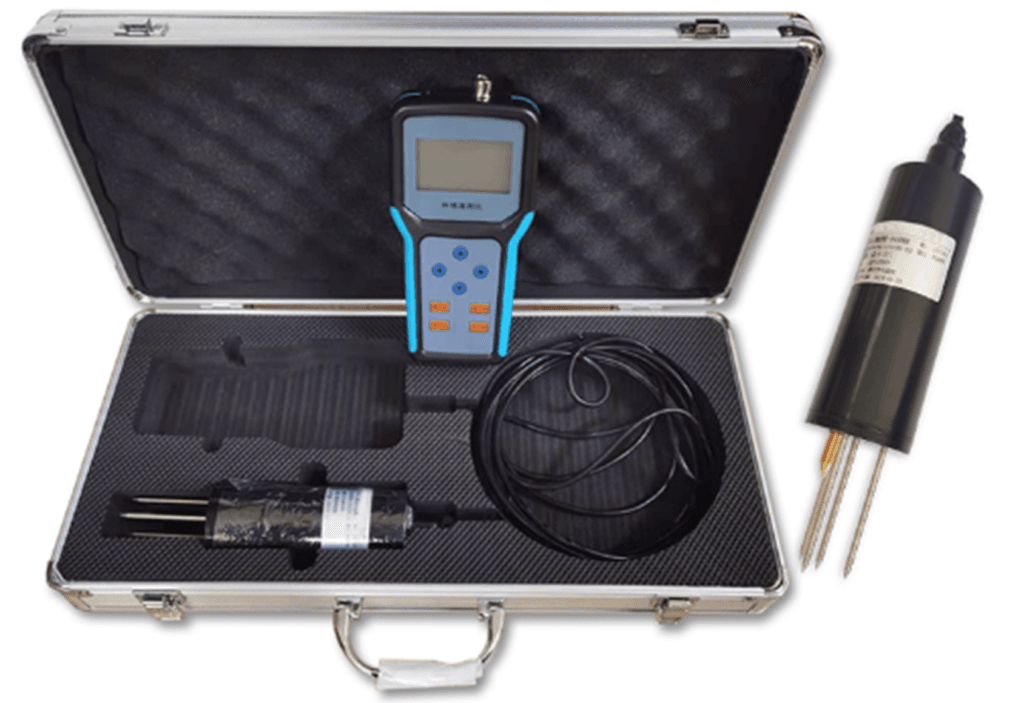
Soil electrical conductivity measurements provide information on soil salinity, moisture content, and ionic composition. Conductivity data are valuable for environmental monitoring, agricultural assessments, contamination studies, and geotechnical site evaluations, as they reflect subsurface chemical and physical conditions.
Soil electrical conductivity
Soil electrical conductivity measurements provide information on soil salinity, moisture content, and ionic composition. Conductivity data are valuable for environmental monitoring, agricultural assessments, contamination studies, and geotechnical site evaluations, as they reflect subsurface chemical and physical conditions.
Water Measurements
Physical parameters
These include pH, which reflects the acidity or alkalinity of water and influences chemical reactions and biological activity; electrical conductivity (EC), which indicates total ionic content and salinity; turbidity, used to assess suspended solids and water clarity; and dissolved oxygen (DO), a key indicator of water health and biological activity.
Additional physical measurements may include temperature, oxidation-reduction potential (ORP), total dissolved solids (TDS), and salinity, all of which are essential for understanding water behavior and suitability for various uses.
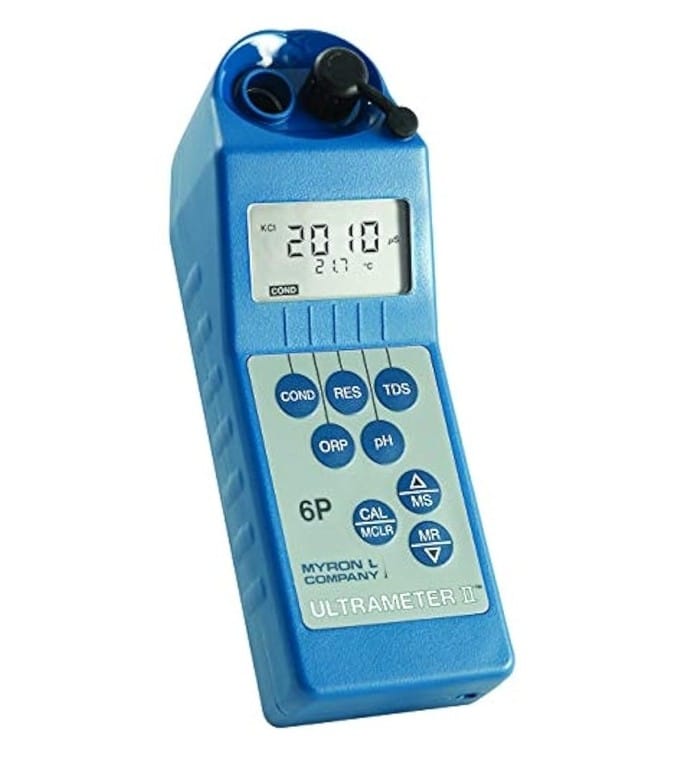
Soil electrical conductivity
Soil electrical conductivity measurements provide information on soil salinity, moisture content, and ionic composition. Conductivity data are valuable for environmental monitoring, agricultural assessments, contamination studies, and geotechnical site evaluations, as they reflect subsurface chemical and physical conditions.
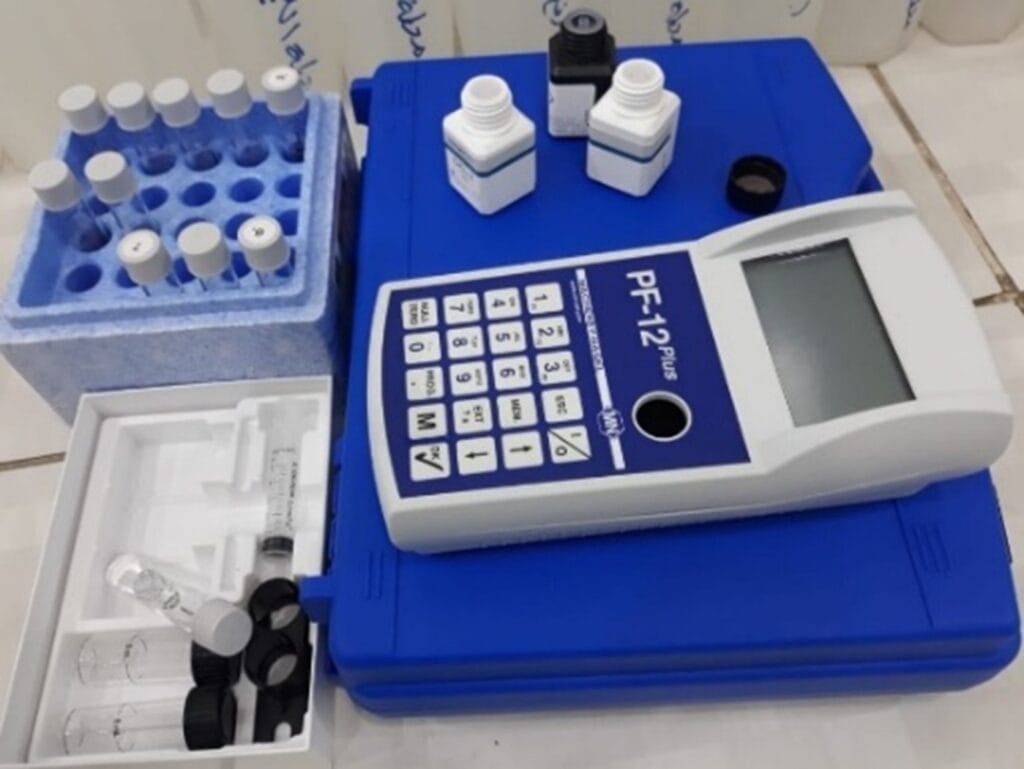
Chemical field measurements
Chemical field measurements focus on parameters that may change rapidly after sampling or require immediate stabilization. Portable UV-Visible spectrophotometric methods are widely used in the field for rapid determination of major anions and cations such as nitrate, nitrite, ammonia, phosphate, sulfate, fluoride, and iron
Chemical field measurements
Chemical field measurements focus on parameters that may change rapidly after sampling or require immediate stabilization. Portable UV-Visible spectrophotometric methods are widely used in the field for rapid determination of major anions and cations such as nitrate, nitrite, ammonia, phosphate, sulfate, fluoride, and iron
Sampling
Water Sampling
Water samples are collected using clean, inert, and method-appropriate equipment to prevent contamination or loss of analytes.
For surface water, samples may be collected using grab samplers, sampling poles, or depth samplers to avoid disturbance of sediments.
Groundwater samples are collected using bailers, peristaltic pumps, or submersible pumps, with well purging conducted prior to sampling to obtain representative formation water. Preservation techniques include cooling, acidification, and adding chemical preservatives.

Water Sampling
Water samples are collected using clean, inert, and method-appropriate equipment to prevent contamination or loss of analytes.
For surface water, samples may be collected using grab samplers, sampling poles, or depth samplers to avoid disturbance of sediments.
Groundwater samples are collected using bailers, peristaltic pumps, or submersible pumps, with well purging conducted prior to sampling to obtain representative formation water. Preservation techniques include cooling, acidification, and adding chemical preservatives.
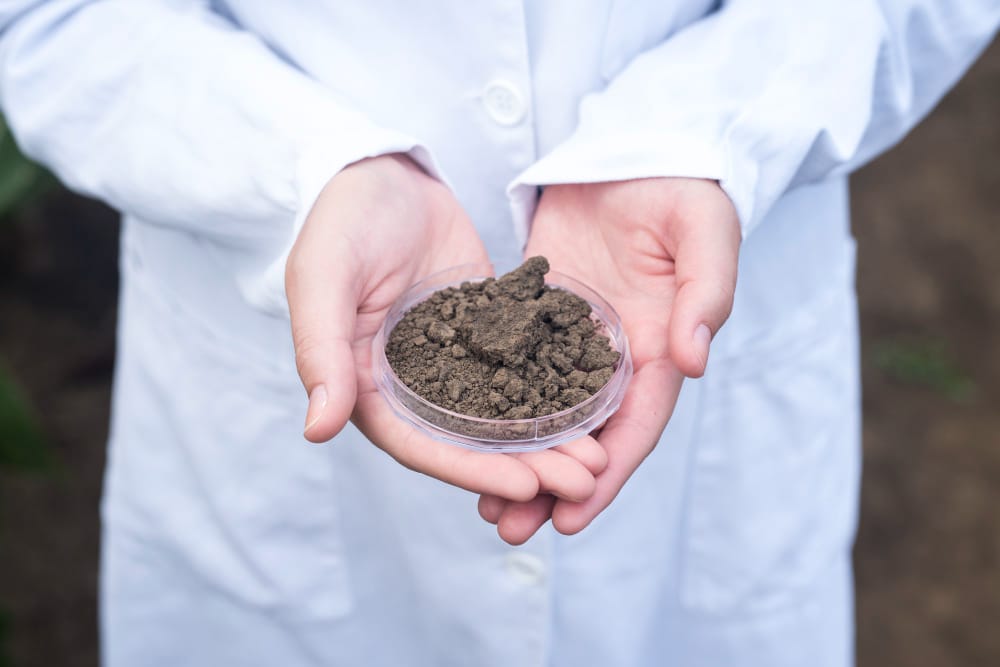
Soil Sampling
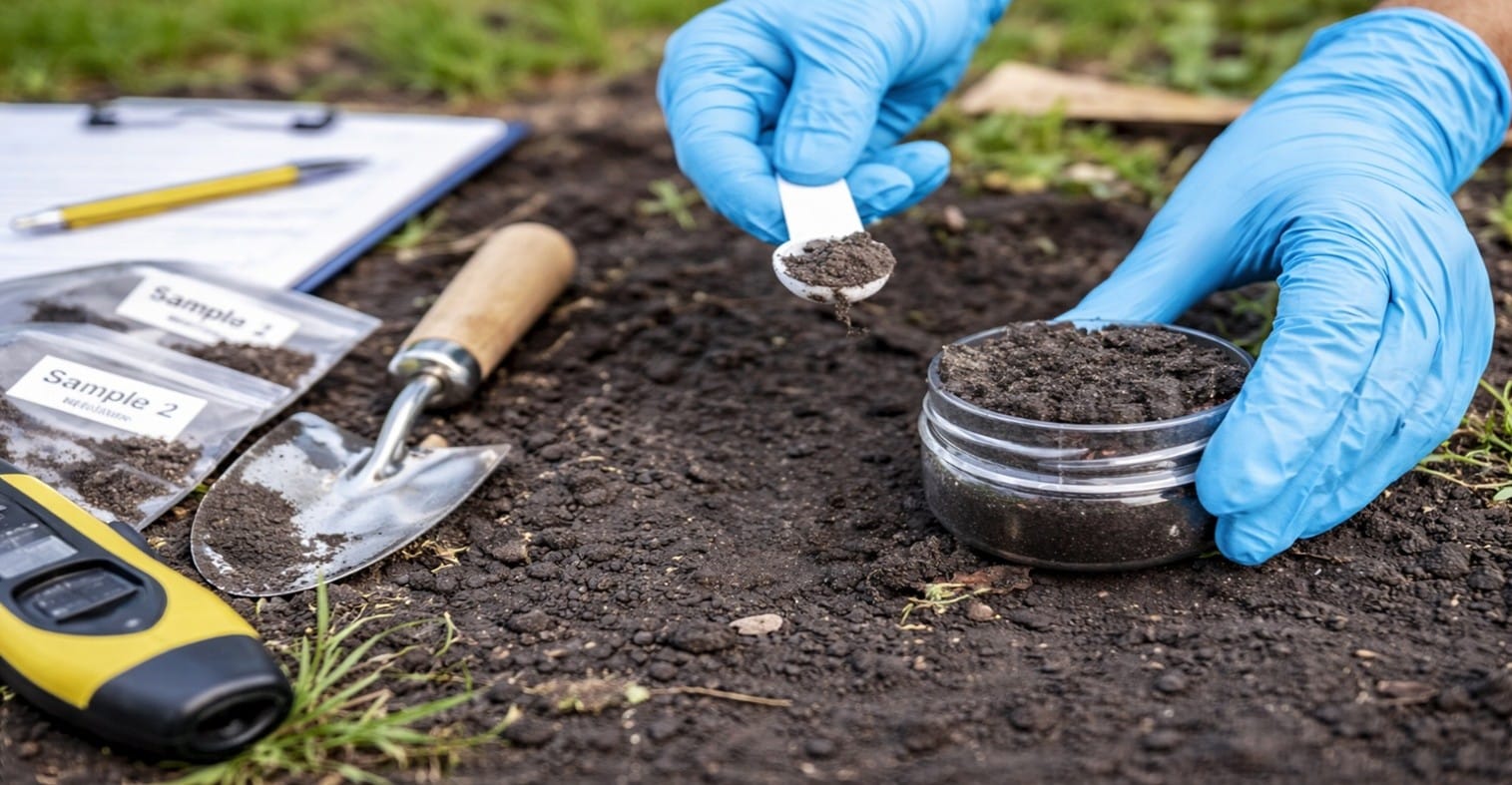
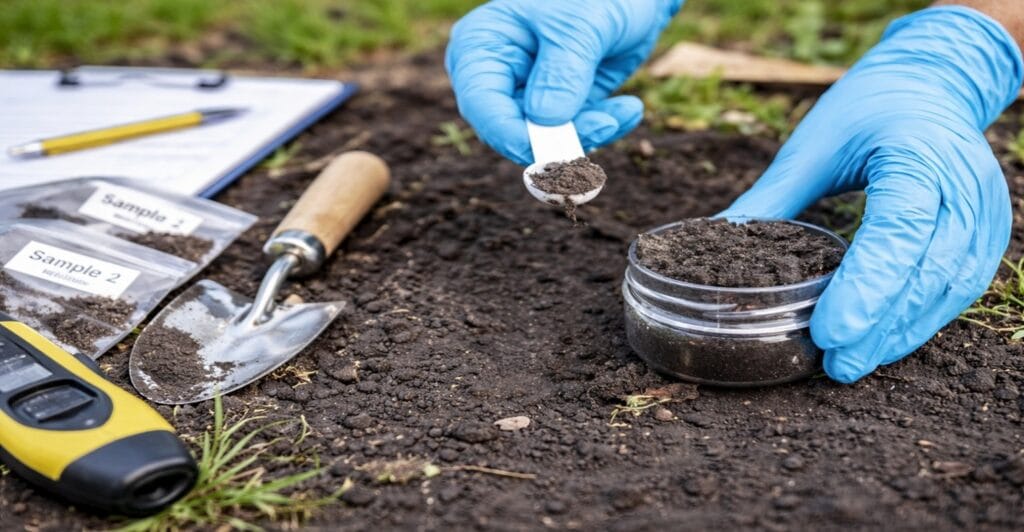
Soil samples are collected using clean, durable, and non-reactive tools. Commonly used tools include hand augers, soil corers, split-spoon samplers, stainless steel trowels, shovels, and sampling scoops.
For shallow sampling, manual tools are typically sufficient, while mechanical drilling rigs and liners are used for deeper or subsurface investigations.
Preservation techniques include cooling, acidification, and adding chemical preservatives. Minimizing headspace and rapid cooling for volatile organic compound (VOC) analyses.
Soil Sampling
Soil samples are collected using clean, durable, and non-reactive tools. Commonly used tools include hand augers, soil corers, split-spoon samplers, stainless steel trowels, shovels, and sampling scoops.
For shallow sampling, manual tools are typically sufficient, while mechanical drilling rigs and liners are used for deeper or subsurface investigations.
Preservation techniques include cooling, acidification, and adding chemical preservatives. Minimizing headspace and rapid cooling for volatile organic compound (VOC) analyses.
Handling and Transport of Samples
Proper transport of samples is essential to preserve sample integrity and ensure reliable analytical results. Samples are transported in clean, tightly sealed ice boxes or insulated containers designed to maintain required storage conditions and prevent deterioration or loss of analytes.
Packaging materials are selected to protect sample containers from breakage, leakage, and external contamination, and must not introduce any source of contamination during transport.
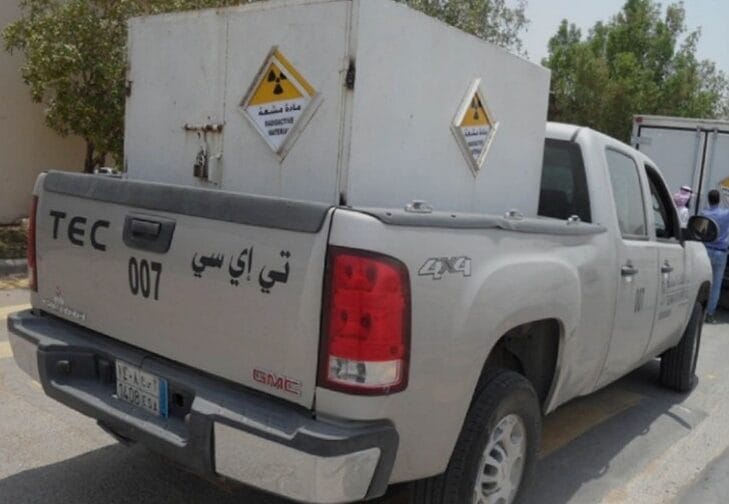
Handling and Transport of Samples
Proper transport of samples is essential to preserve sample integrity and ensure reliable analytical results. Samples are transported in clean, tightly sealed ice boxes or insulated containers designed to maintain required storage conditions and prevent deterioration or loss of analytes.
Packaging materials are selected to protect sample containers from breakage, leakage, and external contamination, and must not introduce any source of contamination during transport.