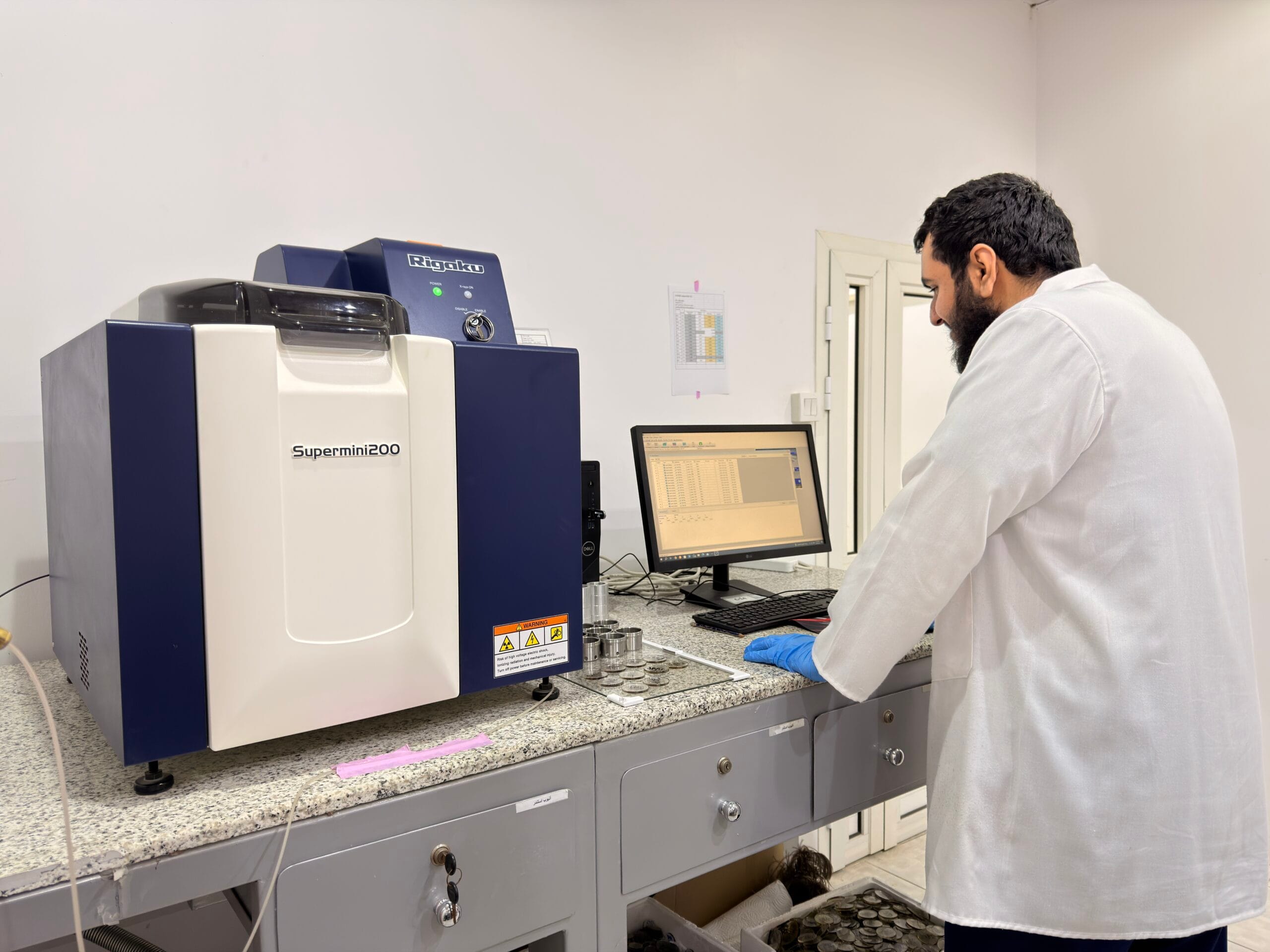
X-ray fluorescence WDXRF (Rijaku supermini 200)
WDXRF uses wavelength dispersive technique to measure elements from Oxygen (O) to uranium (U) in solid and liquid samples in a variety of matrices (Ores, Minerals, Rocks, Soils) for a wide range of applications.
Wavelength-dispersive XRF technique provides high accurate quantitative analysis results of an oxide samples containing various rare-earth and heavy elements due to high energy resolution produced by diffraction crystals.
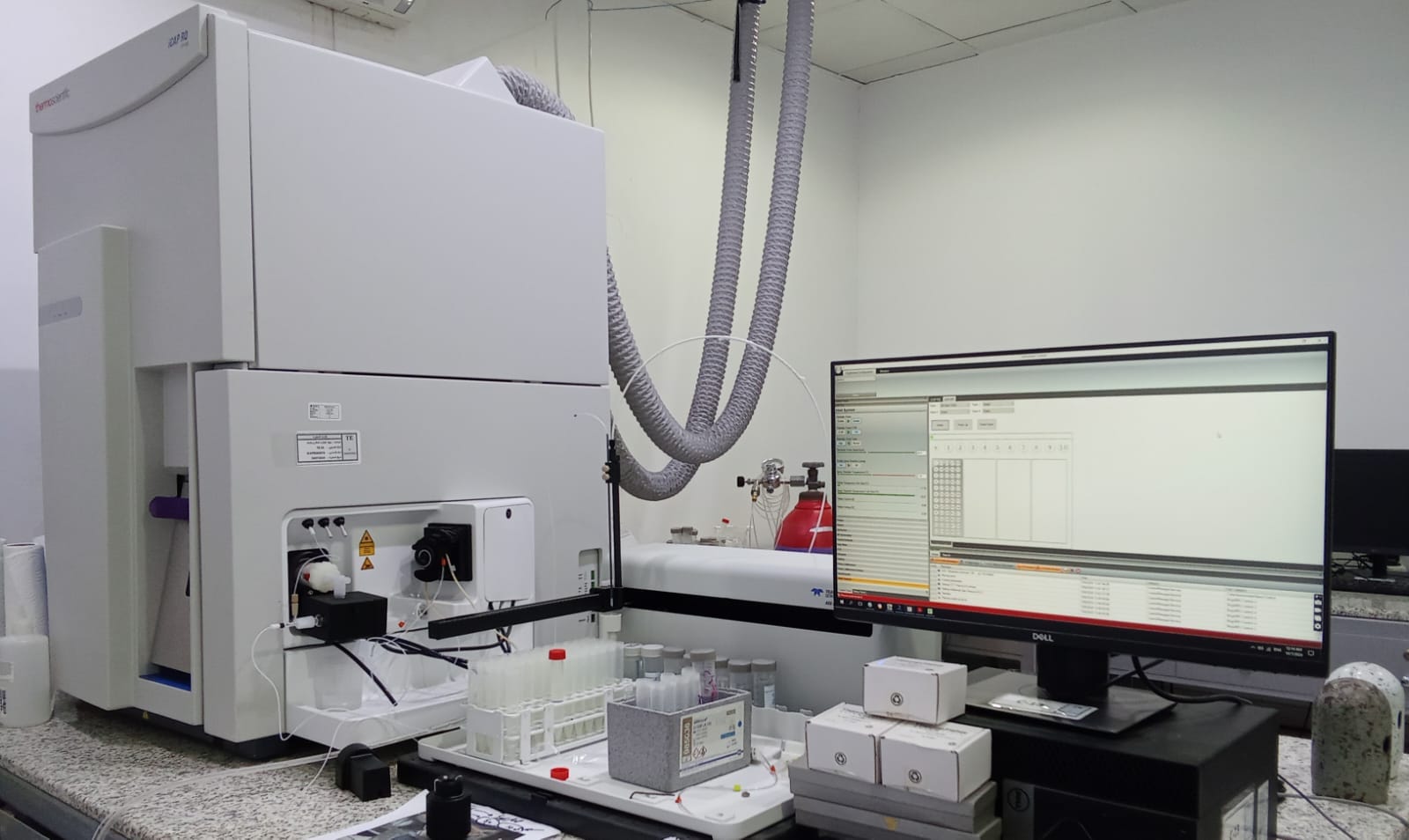
ICP-MS thermofisher
Inductively Coupled Plasma–Inductively Coupled Plasma–Mass Spectrometry (ICP-MS) are core analytical techniques used for multi-element determination in water, soil, rock, sediment, and environmental samples. Both techniques rely on a high-temperature argon plasma to atomize and excite elements in a sample solution, enabling accurate and simultaneous measurement of a wide range of elements across different concentration levels.
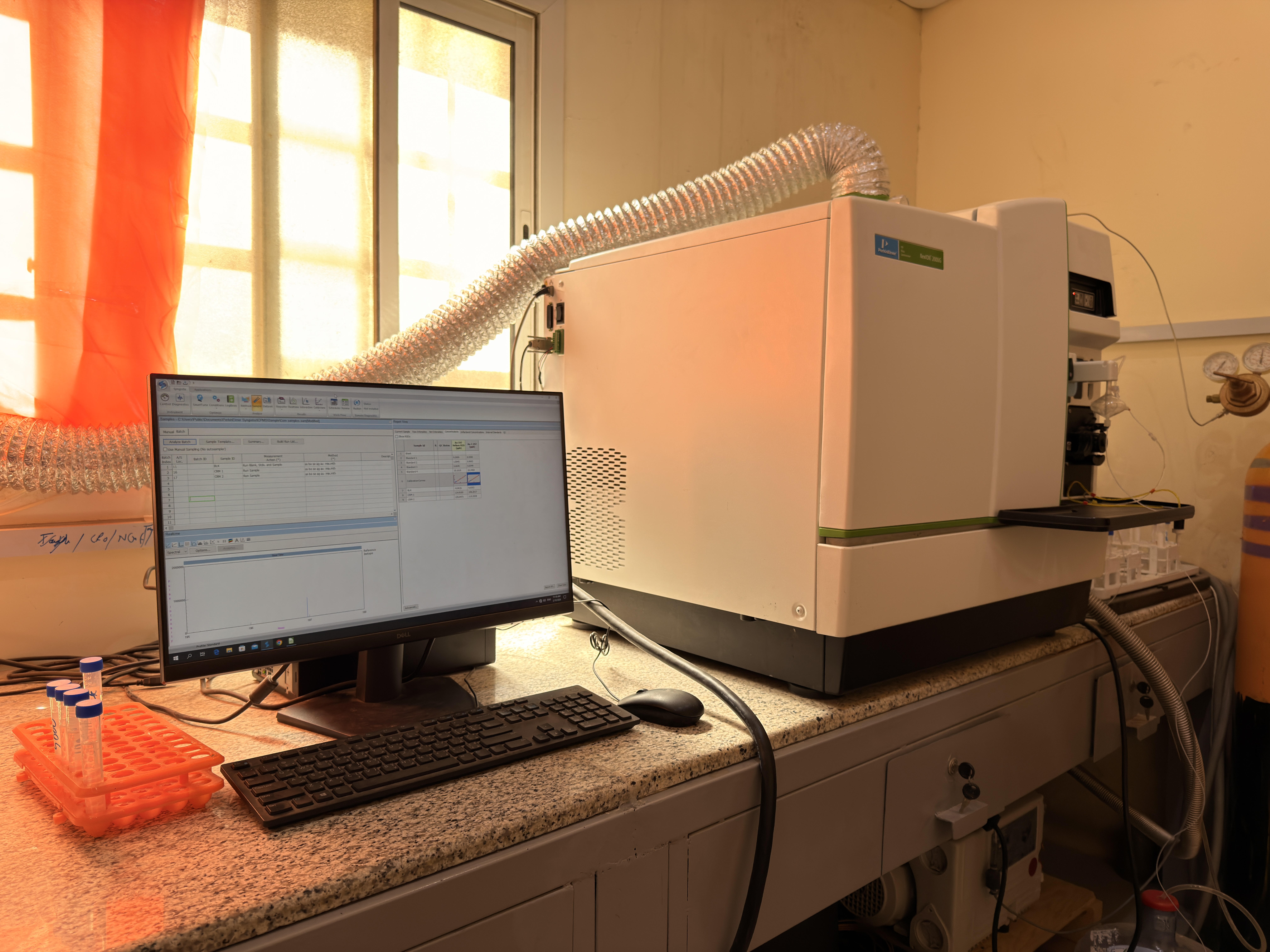
Inductively coupled plasma-mass spectrometry (ICP-MS)-PerkinElmer
Our laboratory leverages the industry-leading PerkinElmer Inductively Coupled Plasma Mass Spectrometry (ICP-MS) platform. This technology allows us to identify and quantify almost all elements in the periodic table simultaneously at incredibly low concentrations—down to parts-per-billion (ppb) and parts-per-trillion (ppt).
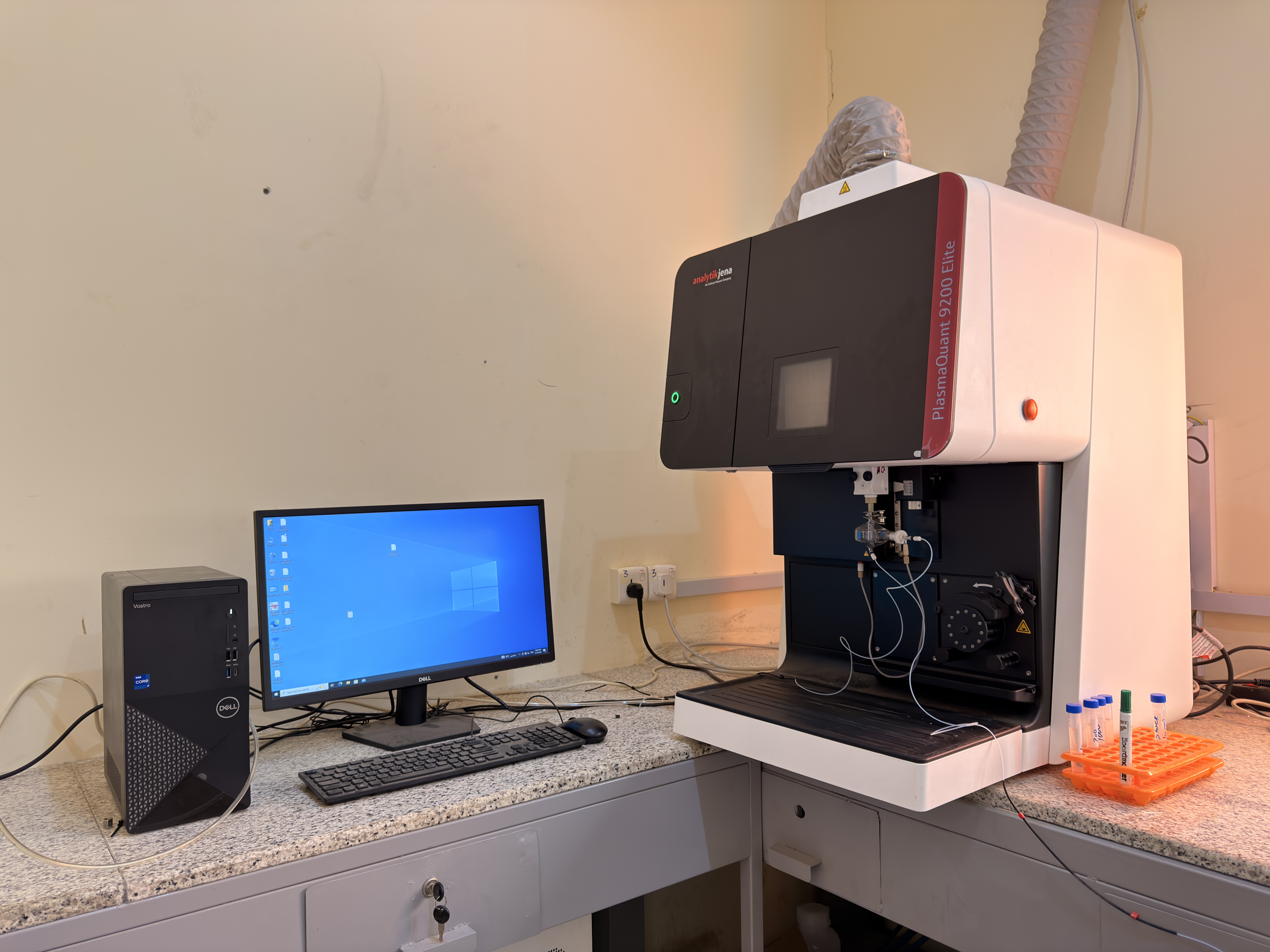
Inductively coupled plasma-Optical Emission Spectrometry (ICP-OES)-Analytik Jena
Our lab utilizes the Analytik Jena ICP-OES, renowned for its industry-leading spectral resolution. This system allows us to analyze samples with high salt content or complex metallic matrices without the interference issues common in standard spectrometry.
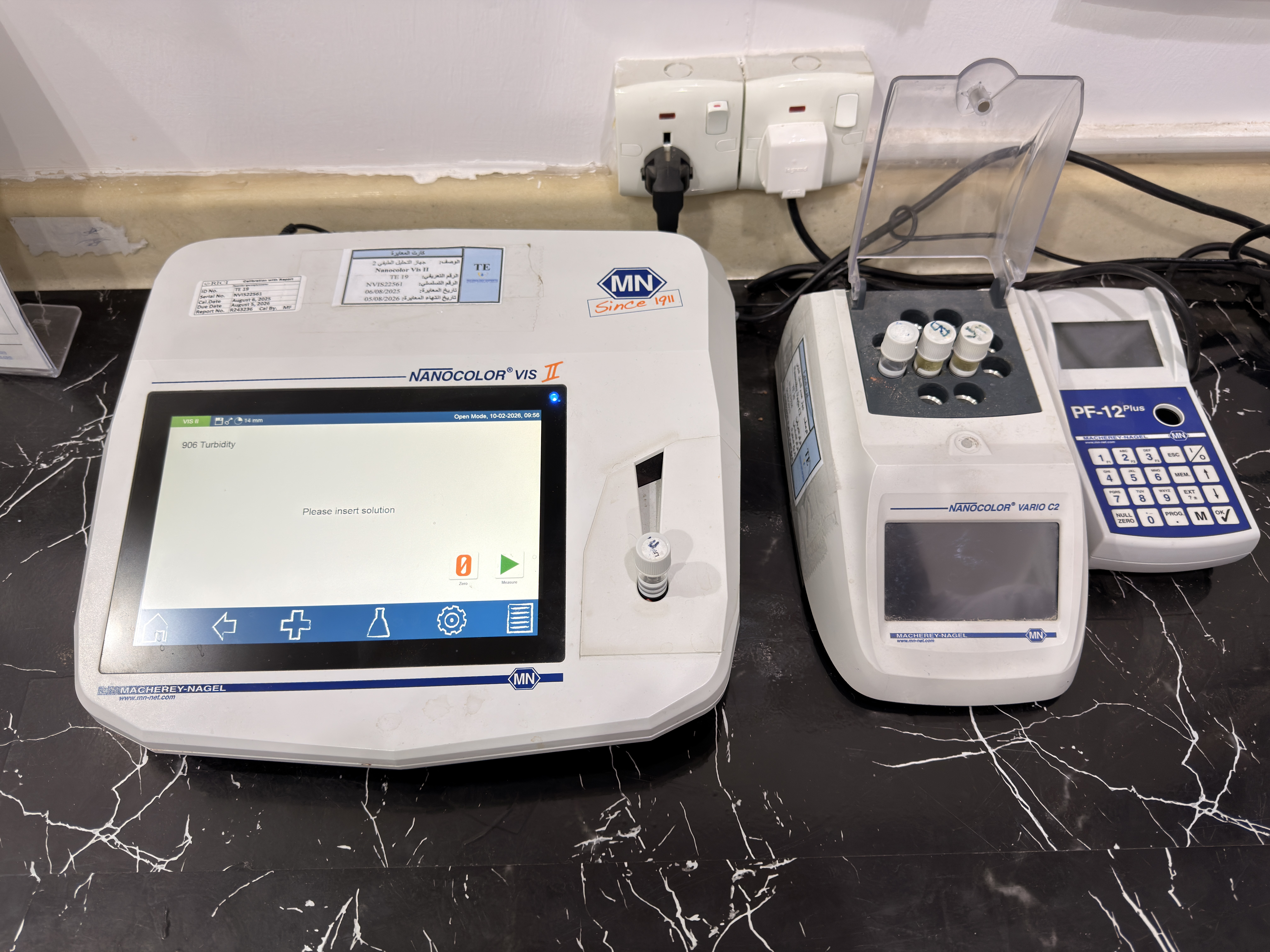
UV Spectrophotometers (HACH, Nanocolor)
For rapid and reliable water analysis, our lab utilizes industry-standard spectrophotometers from HACH and Macherey-Nagel. These instruments are optimized for the precise measurement of over 250 parameters, ensuring your samples meet regulatory and safety compliance.

Microwave Digestor
Precision begins with rigorous preparation. Our laboratory is equipped with industry-leading microwave digestion systems, including the CEM MARS 6 and Anton Paar Multiwave, engineered to provide rapid, uniform heating and superior pressure control across all vessels.
This advanced instrumentation allows us to achieve complete sample dissolution for even the most refractory matrices—such as ores, slag, and complex environmental solids—ensuring that every trace element is fully liberated for downstream analysis.
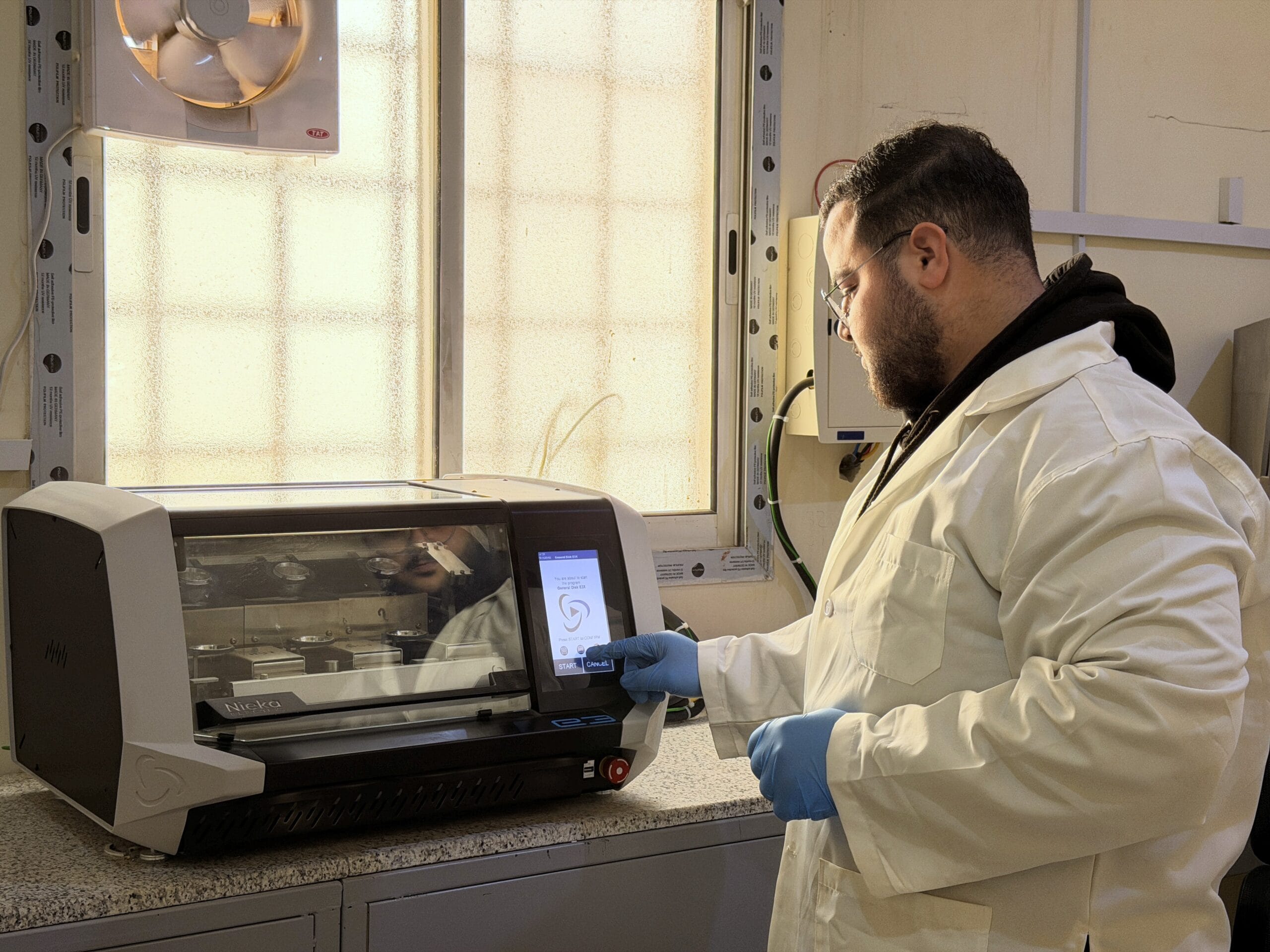
Fusion Machine (Nieka E3)
Achieving the pinnacle of analytical precision requires the elimination of physical sample interference. At our labs, we utilize the Nieka E3, a state-of-the-art fully automated electric fusion instrument designed for high-throughput, high-accuracy sample preparation. This advanced system transforms complex solid matrices—including iron ore, cement, slag, and minerals—into perfectly homogeneous glass beads for X-Ray Fluorescence (XRF) or into stabilized acid solutions for Inductively Coupled Plasma (ICP) analysis.
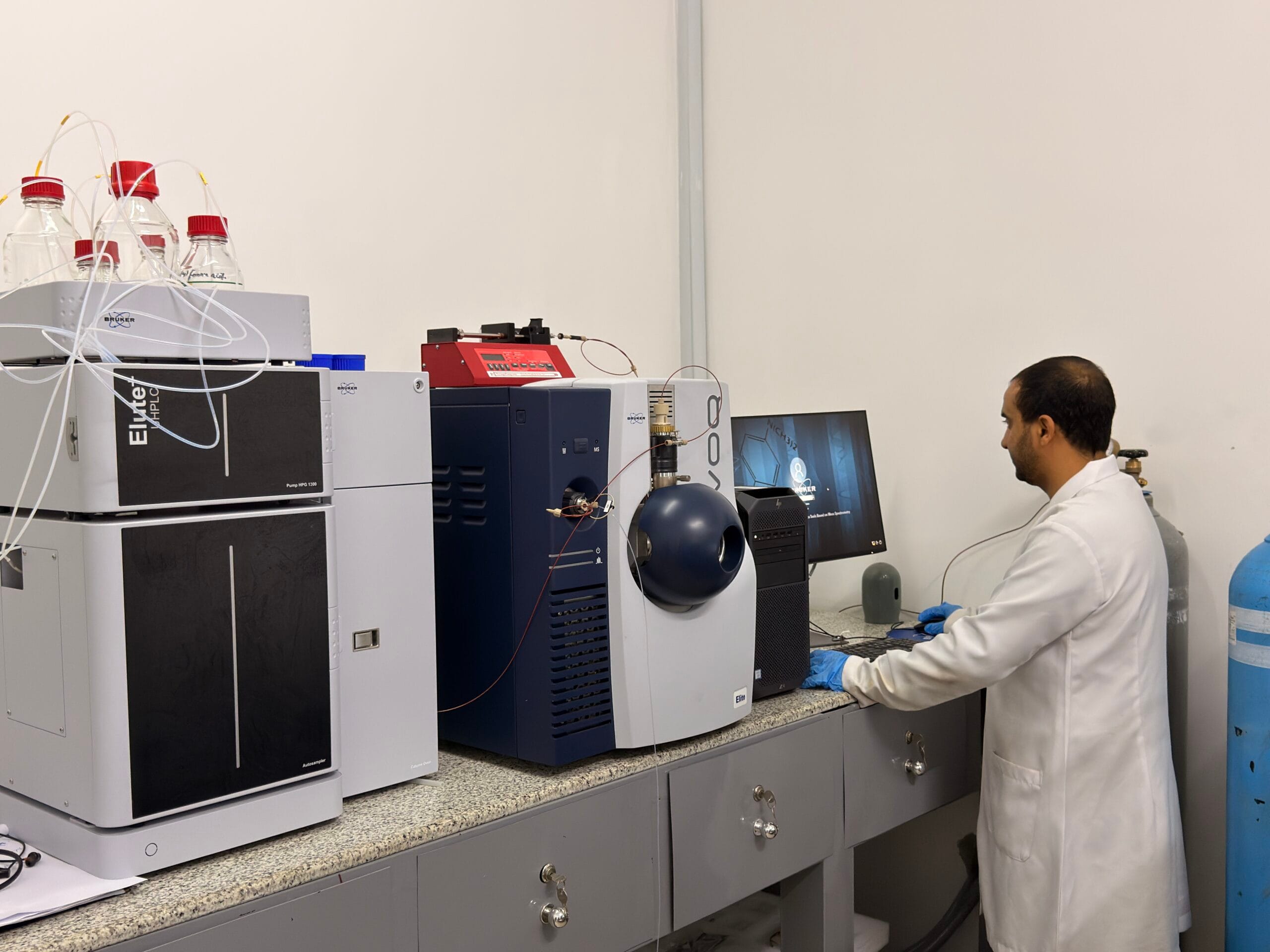
Gas and Liquid chromatography mass spectrometry (Bruker GC-MS/MS, LC-MS/MS)
We bridge the gap between sample preparation and definitive identification using our Bruker Triple Quadrupole fleet. Utilizing GC-MS/MS and LC-MS/MS, we provide a 360-degree analytical view, detecting trace contaminants and industrial chemicals at parts-per-billion or parts-per-trillion concentrations.
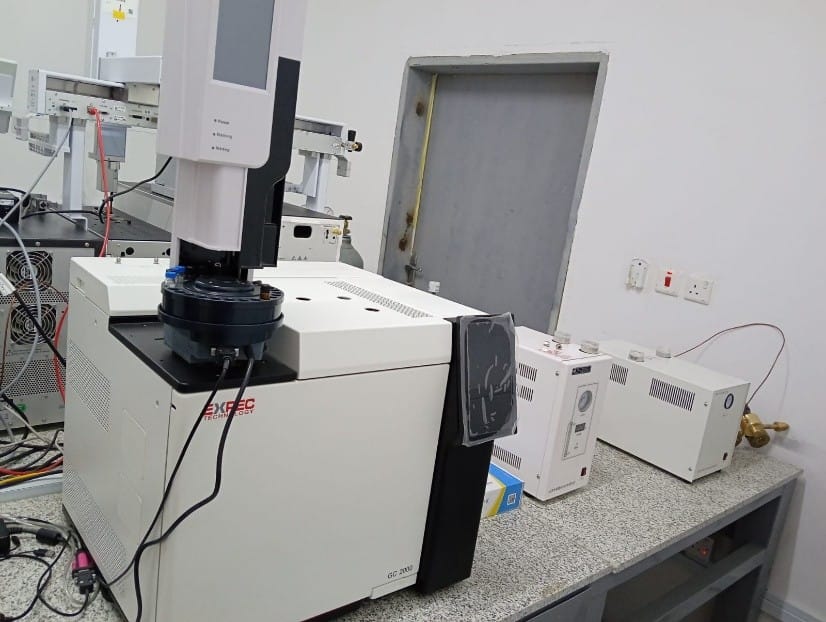
Gas chromatography-flame ionization detection (Expec GC-FID )
Precision quantification is the cornerstone of industrial chemical safety. At our labs, we utilize the Expec GC-FID (Flame Ionization Detection) system, a highly sensitive and robust platform specifically optimized for the detection of organic compounds. Known for its exceptional linear dynamic range and high-speed sampling, the GC-FID is our primary tool for quantifying carbon-containing compounds across a wide array of industrial and environmental matrices.
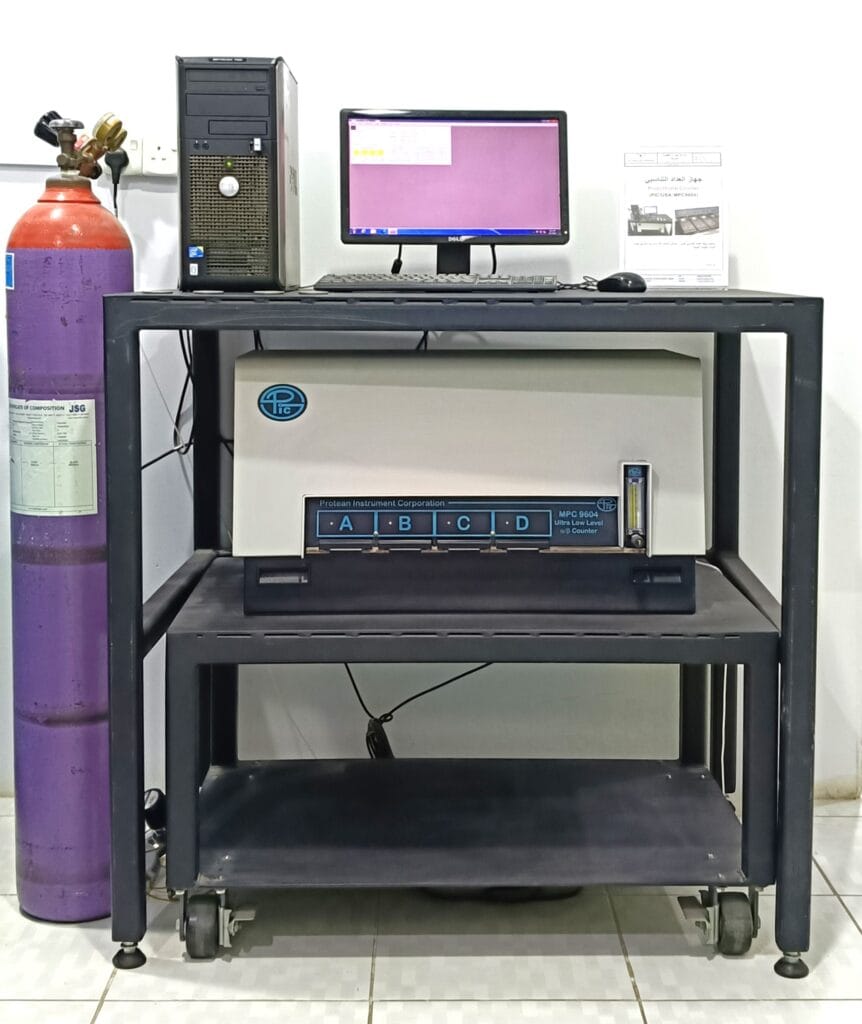
Proportional Counter (PIC)
A proportional counter is a sensitive radiation detection system widely used for the measurement of low-level alpha and beta radioactivity in environmental, water, air, and solid produces electrical pulses whose magnitude is proportional to the energy of the incident radiation, allowing effective discrimination between alpha and beta particles.
Total scanning methods also aim to provide rapid information related to a specific interference level of the radiation. This method is applicable to alpha particles with energies above 3 MeV and beta particles with energies above 0.1 MeV.
Gamma Spectrometer (CANBERA)
Gamma spectrometer works with high purity Germanium detector (HPGe) which is highly sensitive electrode for gamma radiation. It is used to measure all γ-emitting radioisotopes like: (Cs-137, Cs-134, Co-60, Pb-210, K-40, Am-241, etc…). Germanium detectors are semiconductor diodes having a p-i-n structure in which the intrinsic (i) region is sensitive to ionizing radiation, particularly X-rays and gamma rays

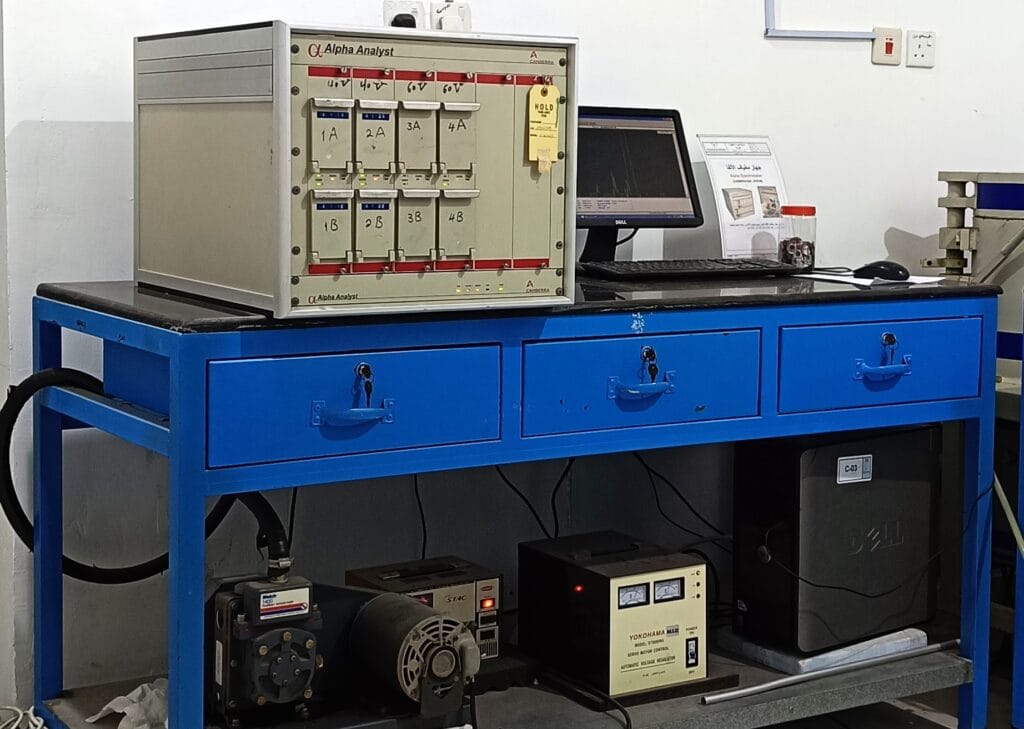
Alpha Spectrometer (CANBERA)
Alpha spectrometry is particularly important for the analysis of naturally occurring and anthropogenic alpha-emitters, such as uranium, thorium, polonium, etc. in environmental, water and geological samples. The method is based on measuring the energy spectrum of alpha particles, where each radionuclide emits alpha particles with characteristic energies, allowing precise radionuclide-specific determination.
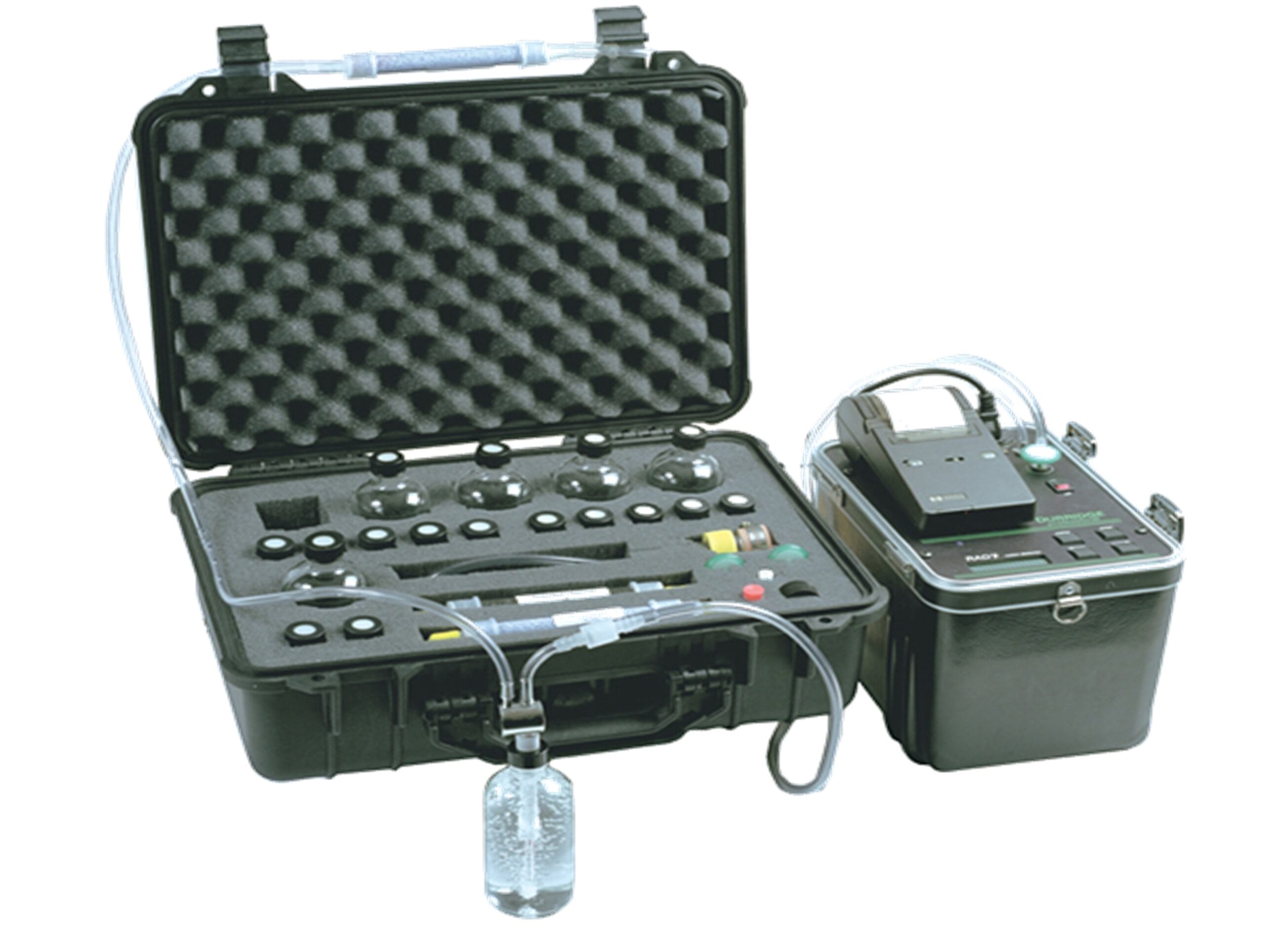
Radon-222 Counter (RAD7)
The RAD7 Radon Detector (Durridge) is a high-sensitivity instrument used for the direct measurement of Radon-222 (²²²Rn) in air, water, soil gas, and solid materials. Radon-222 is a naturally occurring radioactive noble gas generated from the decay of radium-226 in the uranium decay series and is recognized as a significant health and environmental risk.